What Is the Purest Gold You Can Buy?
Gold is one of the world's most valuable and sought-after assets. Whether you're purchasing gold for investment purposes, collecting bullion, or shopping for jewellery, you may have wondered: What is the purest gold you can buy?
The simple answer is 24-karat gold, which is considered the highest level of gold purity commercially available. However, there is more to understand about gold purity than just the karat number. Different forms of gold serve different purposes, and the purest option may not always be the most practical choice.
In this guide, we'll explain gold purity levels, the difference between 24K gold and other types of gold, and what buyers in New Zealand (NZ) and Texas (TX) should know before making a purchase.
Understanding Gold Purity
Gold purity refers to the percentage of pure gold contained within an item. Because pure gold is naturally soft, it is often mixed with other metals to improve strength and durability.
Gold purity is commonly measured in karats (K):
24K Gold = 99.9% pure gold
22K Gold = 91.6% pure gold
18K Gold = 75% pure gold
14K Gold = 58.5% pure gold
10K Gold = 41.7% pure gold
The higher the karat number, the greater the amount of pure gold present.
If you're new to gold purity, it can be helpful to understand the various categories of gold available on the market.
Read more: How Much Gold Is in the World
The Purest Gold Available: 24-Karat Gold
When people ask, "What is the purest gold you can buy?", they are typically referring to 24-karat gold.
24K gold contains approximately 99.9% pure gold, with only trace amounts of other elements. It is often identified with markings such as:
24K
999
999.9
Fine Gold
Investment-grade gold bars and many bullion coins are produced at this purity level.
Because of its exceptional purity, 24K gold is highly valued by investors who want direct exposure to the gold market.
Learn more: How Much Is a Gold Bar Worth
Is 100% Pure Gold Available?
Technically, achieving absolute 100% purity is extremely difficult.
Even the highest-quality refining processes typically produce gold with a purity of 99.99% (999.9 fine gold). This is generally considered the purest gold available to consumers and investors.
For practical purposes, gold marked as 999 or 999.9 is treated as pure gold within the global precious metals industry.
Why Isn't All Gold Made From 24K Gold?
Although 24K gold is the purest gold you can buy, it isn't always the best choice for every purpose.
Pure gold is naturally soft and can bend, scratch, or wear down more easily than lower-karat gold alloys.
For this reason, jewellery manufacturers often use:
18K gold for luxury jewellery
14K gold for everyday wear
10K gold for affordability and durability
These alloys combine gold with metals such as silver, copper, or palladium to increase strength.
Related reading: What Karat Gold Is Best for Everyday Use
What Forms of Pure Gold Can You Buy?
There are several ways to purchase high-purity gold.
Gold Bars
Gold bars are among the most popular choices for investors.
Benefits include:
High purity levels (often 999.9)
Lower premiums per gram
Easy storage and valuation
Gold bars are available in sizes ranging from 1 gram to several kilograms.
Learn more: How Much Does a Gold Bar Weigh
Gold Coins
Many government-issued bullion coins contain 99.9% pure gold.
Popular examples include:
Canadian Gold Maple Leaf
Australian Kangaroo
American Buffalo
Gold coins often carry collectible appeal alongside their gold value.
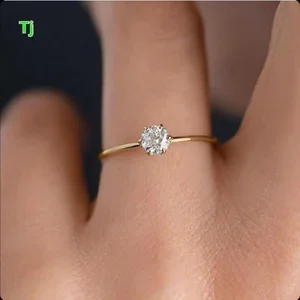
24K Gold Jewellery
Pure gold jewellery is available, particularly in Asian and Middle Eastern markets. However, due to its softness, it requires more careful handling than lower-karat jewellery.
Related reading: Can You Buy 24 Karat Gold Jewelry
How Can You Verify Gold Purity?
Before purchasing gold, it is important to verify its authenticity and purity.
Look for:
Hallmarks such as 24K, 999, or 999.9
Certificates from reputable refiners
Independent testing reports
Established dealers with strong reputations
Professional testing methods include:
XRF analysis
Density testing
Acid testing
Electronic gold testers
If you're unsure about a piece, learning how to identify genuine gold can help.
Read more: How to Tell if Jewelry Is Gold
Is Pure Gold a Good Investment?
Many investors consider high-purity gold an excellent long-term store of value.
Some advantages include:
Wealth Preservation
Gold has maintained value for centuries and is often viewed as protection against inflation.
Global Recognition
Pure gold can be bought and sold worldwide, making it highly liquid.
Portfolio Diversification
Gold often performs differently from stocks and other financial assets, helping diversify investment portfolios.
Learn more: What Are the Advantages of Investing in Gold
Buying Pure Gold in New Zealand and Texas
New Zealand
Gold remains a popular investment across New Zealand, particularly among investors seeking protection from market uncertainty.
Before purchasing, buyers should compare:
Dealer premiums
Product authenticity
Storage options
Current gold prices
Related reading: How to Buy Gold in New Zealand
Texas
Texas has a strong precious metals market, with many investors preferring physical gold ownership.
Bullion bars and coins are especially popular because they offer high purity and straightforward valuation.
Read more:How Do You Buy Gold in Texas
What Happens When You Sell Pure Gold?
One benefit of owning high-purity gold is that it is generally easier to value and sell.
Because bullion is standardized, buyers can quickly determine its worth based on:
Weight
Purity
Current market price
High-purity bullion often sells closer to the spot price than lower-karat jewellery.
Related reading: How Much Can I Expect to Sell My Gold For
For those looking to sell unwanted gold jewellery, coins, or bullion, reputable gold buyerscan provide professional assessments and competitive offers.
FAQs About the Purest Gold You Can Buy
Is 24K gold the purest gold available?
Yes. Commercially available 24K gold is typically 99.9% to 99.99% pure and is considered the purest gold consumers can buy.
Can you buy 100% pure gold?
Not exactly. Most refiners produce gold at 99.99% purity, which is effectively considered pure gold.
Is 24K gold better than 18K gold?
24K gold contains more gold, but 18K gold is stronger and more suitable for everyday jewellery.
What is the best form of pure gold to buy?
For investment purposes, many buyers prefer bullion bars or government-issued gold coins because of their high purity and liquidity.
Does pure gold have a higher resale value?
Generally, yes. Higher-purity gold often sells closer to the current market price than lower-karat gold jewellery.
Conclusion
So, what is the purest gold you can buy? The answer is 24-karat gold, typically refined to a purity of 99.9% or 99.99% fine gold. This level of purity is commonly found in investment-grade bullion bars and coins and is considered the gold standard for precious metal investors.
While pure gold offers maximum gold content, it may not always be the best choice for jewellery due to its softness. Understanding purity levels, intended use, and market value can help you make a smarter purchasing decision.
Whether you're buying gold in New Zealand, investing in Texas, or considering selling your existing gold holdings, working with trusted professionals and understanding gold purity will help you get the most value from your investment.