How Pure Is 24K Gold?
Gold purity is one of the first things buyers, investors, and jewelry lovers want to understand. Among all purity levels, 24K gold is often described as the highest standard—but how pure is 24K gold really?, and what does that mean in practical terms?
Whether you’re buying gold in New Zealand, selling gold in Texas, or simply learning how gold purity works, understanding 24K gold helps you make smarter decisions.
What Does 24K Gold Mean?
The “K” in 24K stands for karat, a unit used to measure the purity of gold. Pure gold is divided into 24 equal parts.
24K gold = 24 out of 24 parts gold
Purity level: 99.9% pure gold
Also referred to as .999 or .9999 fine gold
This makes 24K gold the purest form of gold available for commercial use. You can learn more about purity markings in our guide on how to know what your jewelry is.
Is 24K Gold 100% Pure?
Technically, no gold is 100% pure, but 24K gold is as close as it gets.
99.9%–99.99% purity is considered investment-grade
Trace elements remain due to refining limits
These impurities do not affect value or performance
This is why gold bars and bullion are usually stamped 999 or 999.9, which you’ll often see explained in how much does a gold bar weigh and related bullion guides.
How Does 24K Gold Compare to Other Karats?
Understanding 24K purity is easier when compared to other common karat levels:
24K gold – 99.9% pure
22K gold – 91.6% gold
18K gold – 75% gold
14K gold – 58.5% gold
10K gold – 41.7% gold
Lower karat gold contains more alloy metals like copper or silver. These alloys increase durability but reduce purity. If you’re unsure which karat is best for daily wear, what karat gold is best for everyday use explains this clearly.
Why Is 24K Gold So Soft?
Because 24K gold is nearly pure, it is extremely soft and malleable. This is a direct result of gold’s natural properties as a metal. You can read more about this in “Is gold a metal?”.
Key characteristics of 24K gold:
Easily scratched
Can bend or deform under pressure
Not ideal for everyday jewelry
This softness is why 24K gold is most commonly used for:
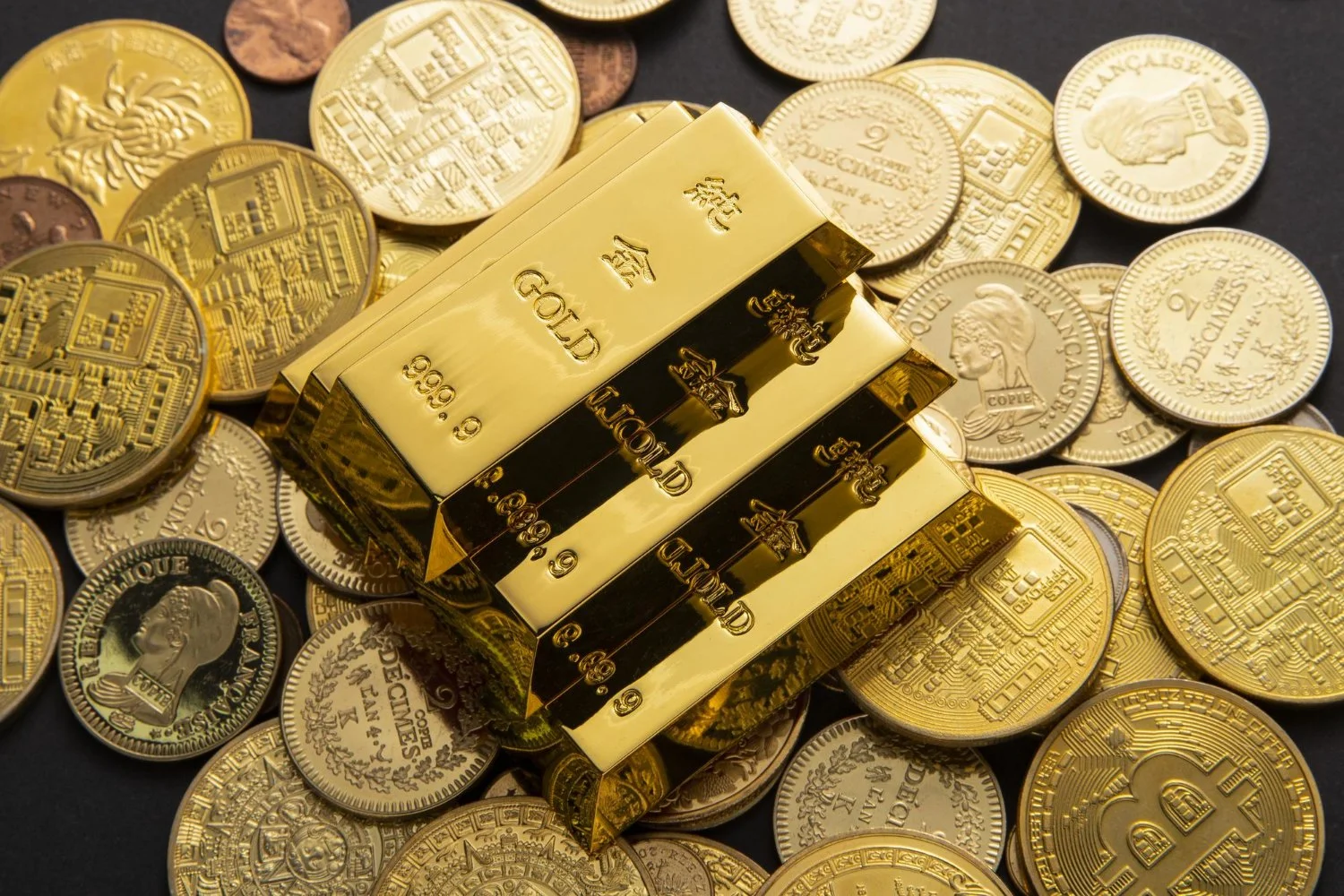
Gold bars
Bullion coins
Investment-grade products
Is 24K Gold Used in Jewelry?
Yes—but selectively.
In New Zealand, 24K gold jewelry is rare and usually limited to:
Special-occasion pieces
Cultural or ceremonial jewelry
Investment jewelry
In Texas and the US, most jewelers avoid 24K gold for rings or bracelets due to durability concerns. If you’re curious about alternatives, what are the different types of gold covers yellow, white, and rose gold options.
Does 24K Gold Tarnish?
No. One of the biggest advantages of 24K gold is that it does not tarnish, rust, or corrode.
Because it contains almost no reactive metals:
It won’t change color
It won’t oxidise
It maintains its bright yellow hue indefinitely
This stability is explained further in does gold degrade over time.
Is 24K Gold Better for Investment?
From an investment standpoint, 24K gold is the preferred choice.
Why investors choose 24K gold:
Highest resale value per gram
Easier to price against spot gold
Universally recognised purity standard
When selling, buyers focus on weight and purity, which is why understanding how do gold buyers determine value is crucial.
How Much Is 24K Gold Worth?
The value of 24K gold is tied directly to the spot price of gold.
Priced per gram or per ounce
Changes daily with global markets
Slight premiums may apply for bars or coins
For local pricing insights, check:
Can You Sell 24K Gold Easily?
Yes. 24K gold is the easiest form of gold to sell.
In NZ, reputable buyers evaluate:
Purity
Weight
Current market price
You can visit trusted gold buyers or explore how can I sell my gold without getting ripped off for best practices.
In Texas, bullion and 24K gold bars are widely accepted by dealers and refiners, often fetching close to spot price.
Final Thoughts: How Pure Is 24K Gold?
So, how pure is 24K gold?
24K gold is 99.9% pure, making it the highest purity gold available for investment and bullion purposes.
While it may not be ideal for everyday jewelry due to its softness, its unmatched purity, stability, and resale value make it a top choice for investors in both New Zealand and Texas.
If your goal is long-term value, wealth preservation, or buying gold in its most natural form, 24K gold remains the gold standard.