Gold has always been a valuable asset, and selling second-hand gold can be a smart way to unlock its worth. But one question often arises: how much is second-hand gold per ounce? The answer depends on multiple factors, including purity, weight, type of gold item, and current market conditions. Understanding these elements will help you get a fair deal whether you’re in New Zealand or Texas.
What Is Considered Second-Hand Gold?
Second-hand gold includes any gold item that has been previously owned. Common examples include:
Gold jewelry: rings, necklaces, bracelets, and earrings
Gold coins: bullion or collectible coins
Gold bars: small or previously traded bars
Scrap gold: broken or damaged pieces
Even if your gold is no longer in perfect condition, it still holds significant value because of its gold content. For guidance on verifying your gold, see how to tell if jewelry is gold.
Factors Affecting the Price Per Ounce
1. Gold Purity
Gold purity is measured in karats (K), with higher numbers indicating more pure gold:
24K = 100% pure gold
22K = 91.7% gold
18K = 75% gold
14K = 58.5% gold
10K = 41.7% gold
Second-hand gold with higher karat will always fetch a higher price per ounce. For everyday jewelry considerations, you can also check what karat gold is best for everyday use.
2. Weight in Ounces
Gold is weighed in troy ounces, where 1 troy ounce = 31.1 grams. The heavier your gold, the more valuable it is. Accurately weighing your gold before selling ensures a fair price. Learn more about measurements in how many grams in an ounce of gold in Texas.
3. Type of Gold Item
The type of second-hand gold impacts the price per ounce:
Jewelry: Often priced based on scrap gold value, unless it’s designer or antique.
Coins & bars: Usually sell closer to spot price, especially if in pristine condition.
Scrap or damaged items: May sell slightly lower per ounce due to refining costs.
For sellers in New Zealand, trusted local options are available. See where to sell precious metals in NZ for guidance.
4. Market Price of Gold
Gold prices fluctuate daily due to:
Global supply and demand
Geopolitical events
Inflation and currency trends
Checking the current price of gold in NZ or Texas spot prices before selling ensures you get a fair per-ounce price.
5. Buyer Type
Where you sell also affects your earnings per ounce:
Local jewelers: Convenient but may offer slightly below spot price.
Gold dealers: Often provide competitive per-ounce rates.
Online platforms: Can offer near-market rates, but watch for fees.
For advice on safe transactions, check what is the safest way to sell gold.
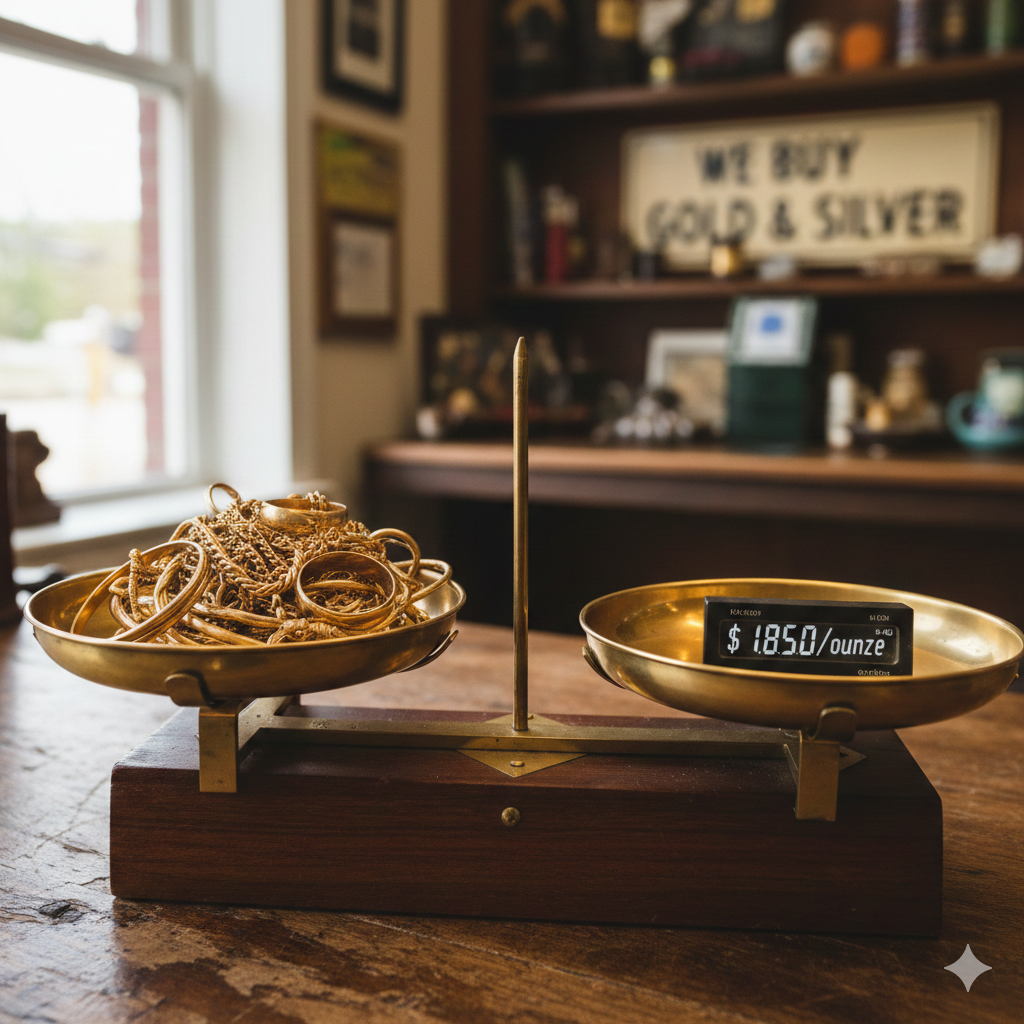
Typical Rates Per Ounce
While rates fluctuate, here’s what you can generally expect:
Second-hand jewelry: 70–80% of gold’s spot price per ounce
Coins & bullion: 90–95% of market price per ounce
Scrap gold: 60–75% depending on purity and condition
In Texas, coins and bullion often fetch closer to spot price, while in New Zealand, jewelry may be slightly discounted due to refining and processing.
Tips to Maximize Per-Ounce Value
Know your gold’s karat and weight – Accurate details boost confidence in negotiations.
Compare multiple buyers – Local jewelers, online buyers, and gold dealers.
Check the spot price daily – Selling when prices are high improves per-ounce returns.
Sell in bulk when possible – Larger quantities often get better rates.
Choose reputable buyers – Avoid scams in NZ and Texas; always verify buyer credentials.
For additional strategies, see how to convert gold to cash.
Final Thoughts: Getting the Best Per-Ounce Price
Selling second-hand gold per ounce requires understanding:
Purity (karat)
Weight
Item type
Market conditions
Trusted buyers
Whether you are in New Zealand or Texas, taking the time to measure, verify, and compare buyers will help you get the best price per ounce for your gold. For more details, explore how much can I expect to sell my gold for and who is the best person to sell gold to.