How Much Gold Can I Sell Tax-Free?
Selling gold can be a profitable way to unlock value from your jewelry, coins, or bullion. However, understanding tax obligations is essential before making a sale. Whether you are in New Zealand or Texas, USA, knowing how much gold you can sell tax-free helps you plan transactions and avoid unexpected penalties.
Tax Rules in New Zealand
In New Zealand, gold is generally exempt from GST (Goods and Services Tax) if it meets certain conditions:
Investment-grade gold – This includes 24K gold bars, coins, and certain high-purity products
Jewelry may not always be exempt, as GST could apply depending on the seller
The amount you sell doesn’t have a strict cap, but tax obligations may arise if you are buying and selling gold as a business. Casual sales of personal gold items are typically tax-free, provided they are not sold as part of a commercial activity.
For tips on selling gold safely in New Zealand:
👉 Where to sell precious metals in NZ
👉 How much can I sell 1 oz of gold for
Tax Rules in Texas, USA
In Texas, the tax treatment of gold depends on whether it is investment gold or collectibles:
Investment-grade gold coins and bullion are generally exempt from sales tax
Jewelry or lower-purity gold may incur sales or capital gains tax when sold for profit
There is no specific limit on the amount of gold you can sell tax-free, but large transactions may need reporting if they generate income. Always keep records of purchases and sales, including receipts and certificates of authenticity.
For local guidance in Texas:
👉 What is the safest way to sell gold in Texas
👉 How do gold buyers determine value
Factors Affecting Taxation
When selling gold, consider these key factors that may impact tax obligations:
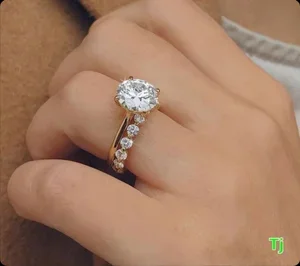
Type of Gold – Investment-grade gold is treated differently from jewelry or gold-plated items. For instance, 24K gold bars and coins are generally exempt from tax, while gold rings or chains might not be.
Frequency of Sales – Selling gold occasionally as a personal transaction usually does not trigger tax. However, frequent buying and selling could classify you as a business, subjecting your sales to taxation.
Capital Gains – In some regions, if the gold has appreciated in value since purchase, you may owe capital gains tax on the profit. This applies more in the U.S., including Texas.
Documentation – Always maintain clear records of purchase price, weight, purity, and sales receipts. Proper documentation can help support tax-free status and prevent disputes.
Tips for Selling Gold Tax-Free
Know the Gold Type – Confirm if your gold qualifies as investment-grade or collectible. See:
👉 How to tell if jewelry is goldSell to Reputable Dealers – Use trusted dealers to avoid fraudulent claims about your gold and ensure compliance with tax rules:
👉 TJ Gold BuyersKeep Accurate Records – Save receipts, certificates, and testing results. These documents are crucial if tax authorities ever inquire.
Understand Local Regulations – Tax-free limits and exemptions differ between countries and states. Consult local guidelines or a tax professional.
Conclusion
The amount of gold you can sell tax-free depends on location, type of gold, and purpose of sale.
In New Zealand, personal gold sales of investment-grade products are generally tax-free.
In Texas, investment-grade gold coins and bullion are often exempt, but jewelry or frequent transactions may incur tax.
Always deal with reputable buyers, maintain proper documentation, and confirm your local tax obligations to ensure a safe, profitable sale.
For more insights on selling gold securely:
👉 How to convert gold to cash
👉 How much gold can you get for $1000